The 2025 Mitsubishi Outlander PHEV Platinum Edition is rated to tow up to 1,500 lbs powered by the 2.4L. For real-world towing, the practical limit is 1,200 lbs — that's 80% of max, giving you margin for hills, headwinds, and load variation. Always verify your door-sticker payload rating, as it's often the real limiting factor once passengers, gear, and tongue weight are factored in. With this setup, you're looking at pop-up campers and smaller travel trailers.
Recommended Equipment
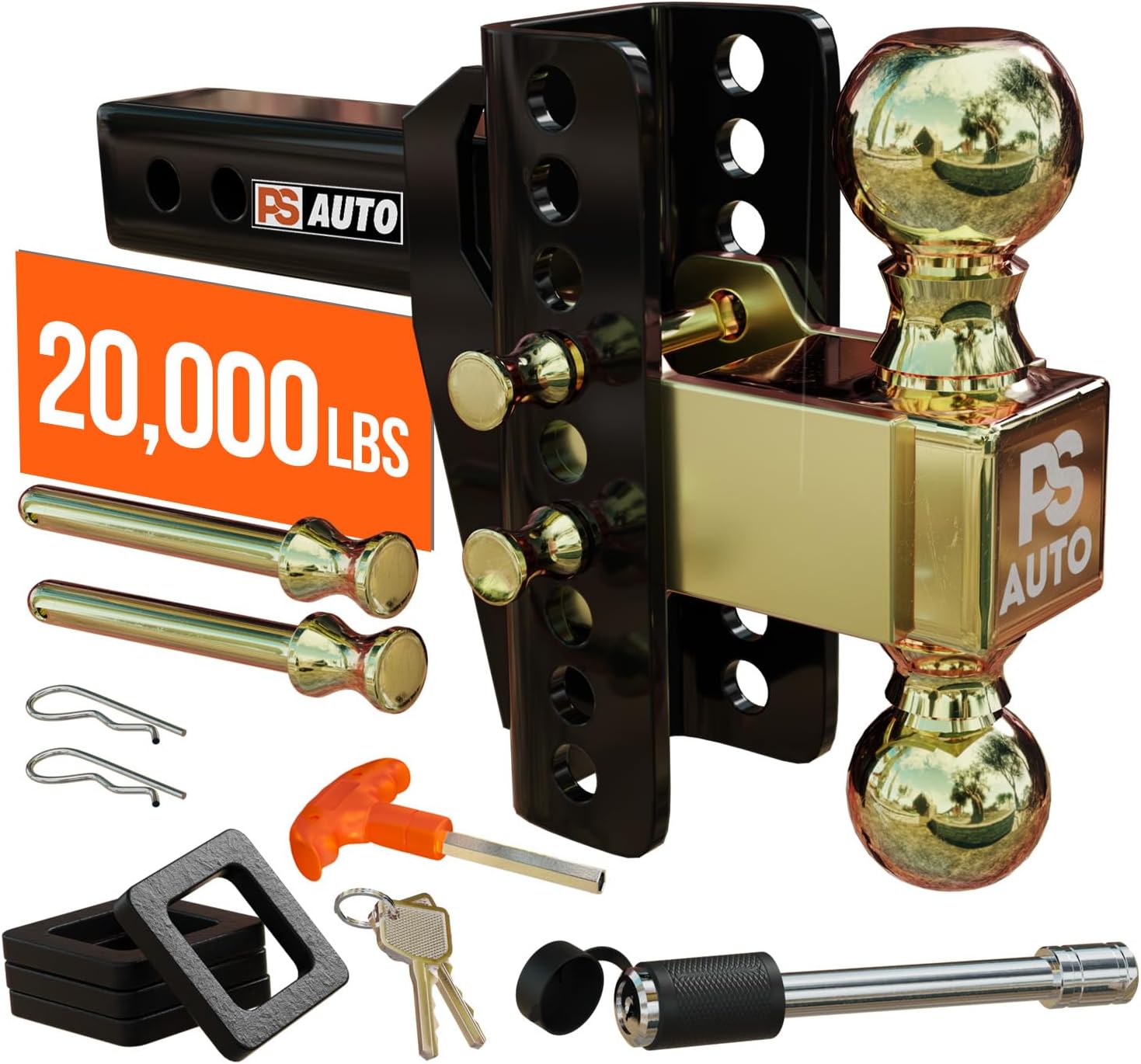
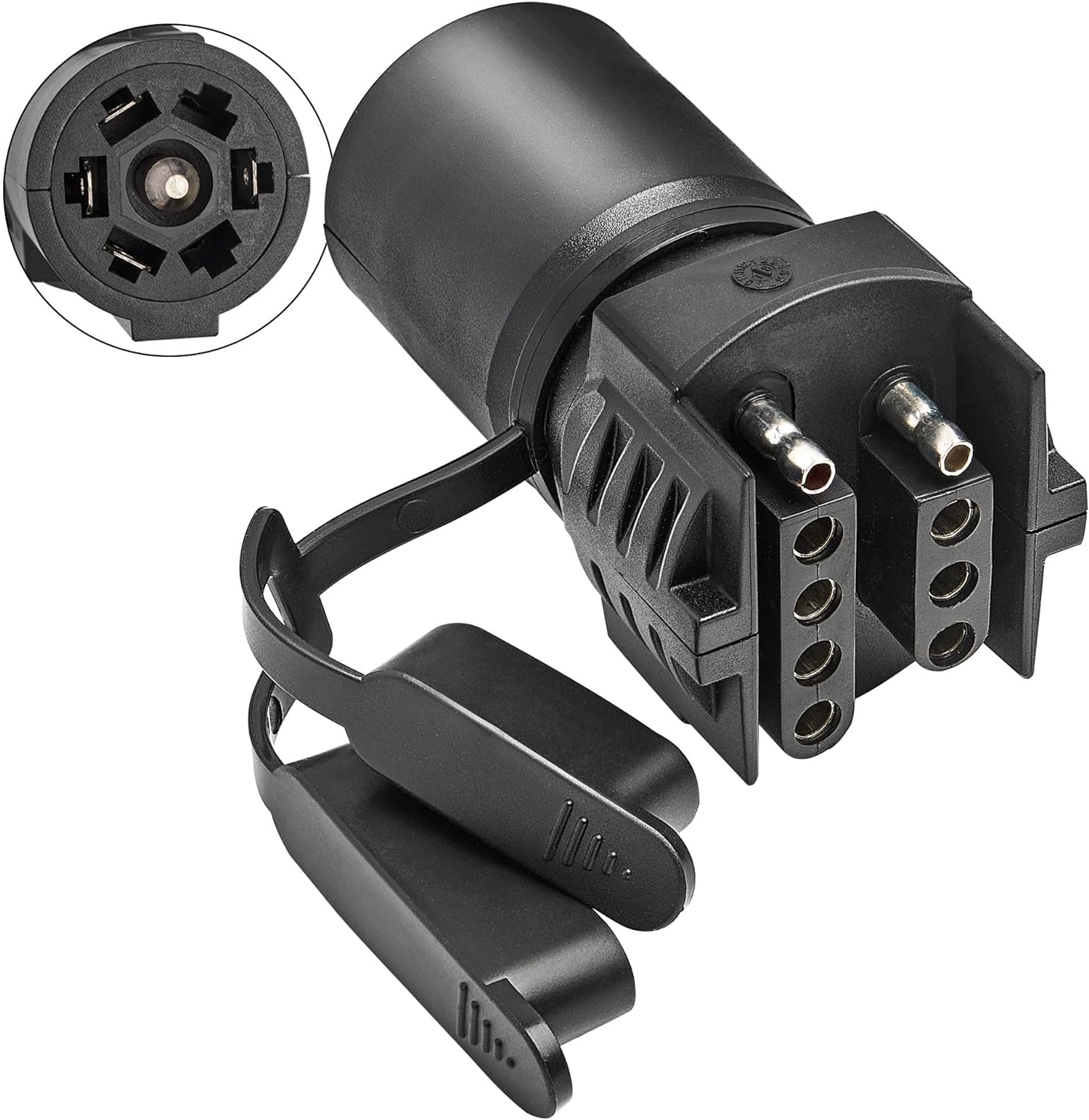
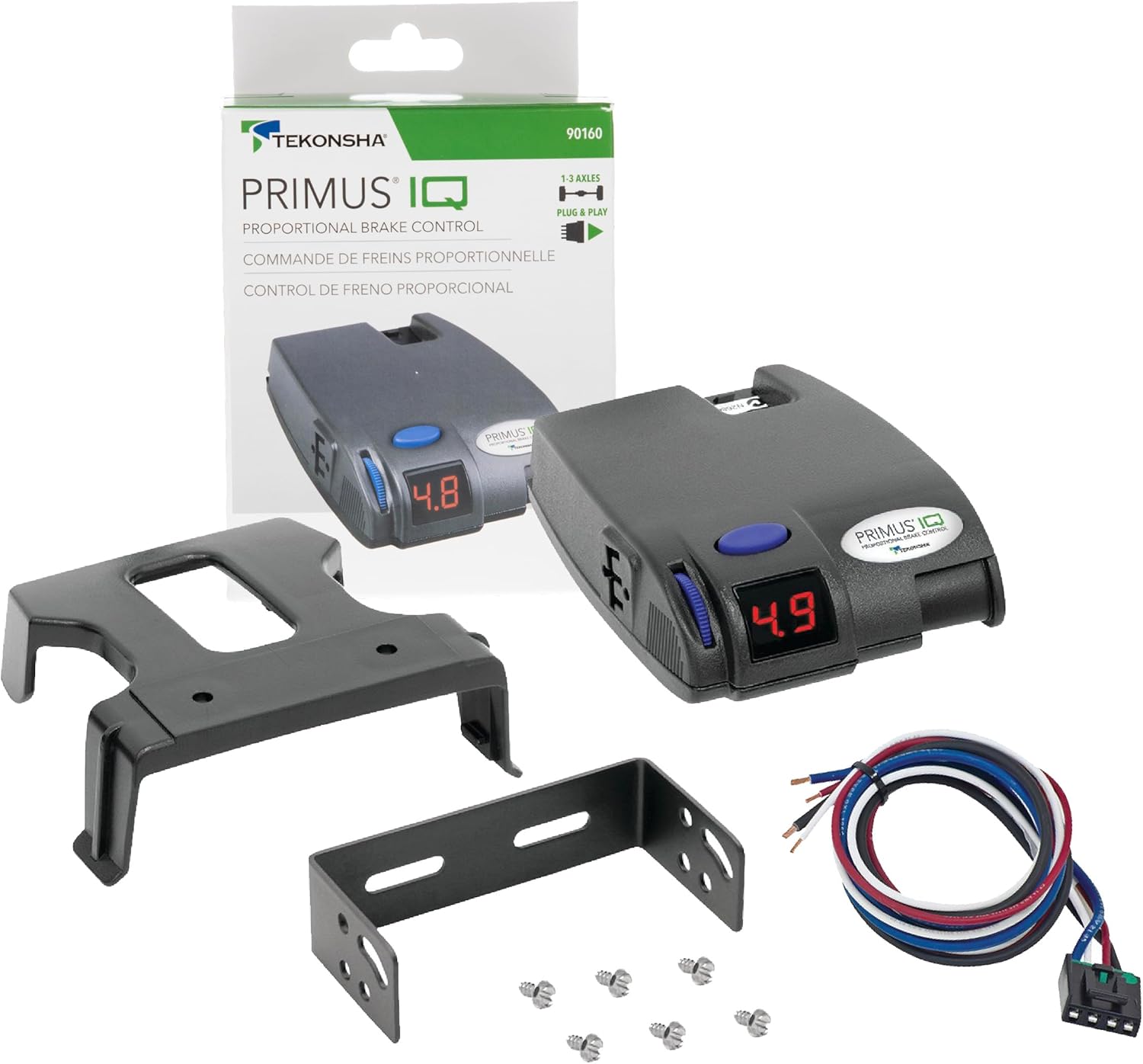
Towing Gear for This Truck
Matched to this trim's Class II hitch class and 1,500 lb tow rating
Towing & Capacity
Engine & Performance
Dimensions
Towing
Payload & Weight
Curb Weight
4,651 lbs
Engine
Engine
2.4L
Horsepower
248 HP
Transmission
1-speed direct drive
Drive Type
All Wheel Drive
Fuel Type
Regular unleaded
Fuel Tank
14.8 gallons
Fuel Economy (EPA)
City25 mpg
Highway27 mpg
Combined26 mpg
Dimensions
Overall Length185.4"
Overall Width84.4"
Height68.5"
What Can I Tow?
RV Class Compatibility
Based on a safe tow limit of 1,200 lbs. Shows what % of each RV class in our database you can tow.
Destination Trailers
Bumper Pull
9,800 – 16,500 lbs
Out of Range
Expandable Trailers
Bumper Pull
1,000 – 25,450 lbs
Out of Range
1,176 – 24,000 lbs
Out of Range
Travel Trailers
Bumper Pull
1,100 – 89,950 lbs
Out of Range
1,300 – 112,250 lbs
Out of Range
Compare Configurations
Other 2025 Mitsubishi Outlander PHEV Trims
| Configuration |
Max Towing |
MPG |
|
| 2025 Mitsubishi Outlander PHEV ES AWD |
1,500 lbs |
26.0 mpg |
View → |
| 2025 Mitsubishi Outlander PHEV SE AWD |
1,500 lbs |
26.0 mpg |
View → |
| 2025 Mitsubishi Outlander PHEV SEL AWD |
1,500 lbs |
26.0 mpg |
View → |
| 2025 Mitsubishi Outlander PHEV SEL Black Edition AWD |
1,500 lbs |
26.0 mpg |
View → |
| 2024 Mitsubishi Outlander PHEV ES AWD |
1,500 lbs |
35.6 mpg |
View → |
| 2024 Mitsubishi Outlander PHEV Platinum Edition AWD |
1,500 lbs |
35.6 mpg |
View → |
| 2024 Mitsubishi Outlander PHEV Ralliart AWD |
1,500 lbs |
35.6 mpg |
View → |
| 2024 Mitsubishi Outlander PHEV SE AWD |
1,500 lbs |
35.6 mpg |
View → |
| 2024 Mitsubishi Outlander PHEV SEL AWD |
1,500 lbs |
35.6 mpg |
View → |
| 2024 Mitsubishi Outlander PHEV SEL Black Edition AWD |
1,500 lbs |
35.6 mpg |
View → |
Questions & Answers
Common Questions
How much can I actually tow with my 2025 Mitsubishi Outlander PHEV Platinum Edition?
+
The 2025 Mitsubishi Outlander PHEV Platinum Edition is rated at 1,500 lbs maximum — but the real-world best practice is the 80% rule: target 1,200 lbs as your practical limit. This gives you margin for hills, headwinds, braking distance, and real-world load variance. More critically, check your payload first — the door sticker tells you your specific truck's limit, and payload may be your actual binding constraint.
What about payload — how much stuff can I put in the truck?
+
You have 0 lbs of payload capacity — that's everything going IN the truck: passengers (~150 lbs each), camping gear, coolers, and critically the tongue weight from your trailer. For bumper pull trailers, tongue weight is typically 10–15% of the trailer's loaded weight. It fills up faster than most people expect, especially on longer trips.
What kind of hitch do I need?
+
For the 2025 Mitsubishi Outlander PHEV Platinum Edition, you need a Class II receiver hitch rated for 1,500 lbs. Don't skimp here — the hitch is the critical link between truck and trailer. For fifth wheel towing, you'll need a dedicated kingpin-style fifth wheel hitch mounted in the truck bed.
What types of RVs will work with my truck?
+
With your 1,200 lb safe towing capacity, you're looking at pop-up campers and smaller travel trailers. The compatibility chart above shows what percentage of each RV class in our database you can handle. Use the
Tow Calculator to check a specific RV including gear, water, and passengers.
What does GVWR mean and why should I care?
+
GVWR is Gross Vehicle Weight Rating — the maximum your truck can weigh when fully loaded with people, gear, and fuel. Your truck's GVWR is 6,063 lbs. Exceed it and you're over-stressing brakes, suspension, and tires. This is different from towing capacity — it's about what the truck itself can carry.